

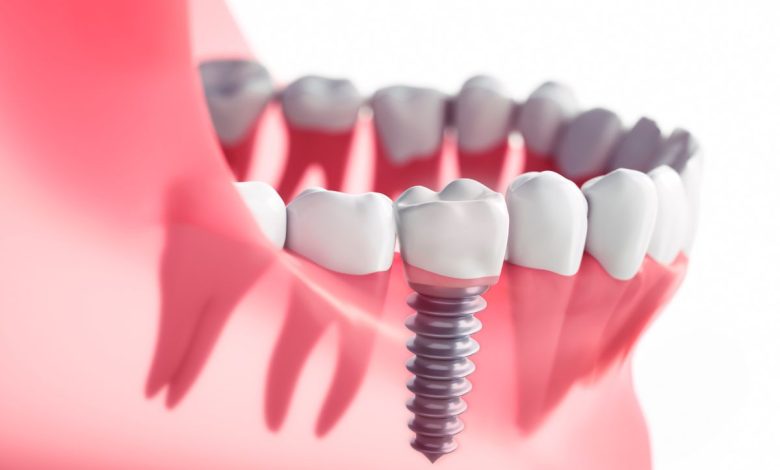
Dental implants are now the gold standard for replacing missing teeth. The solution is long-lasting, looks natural, and improves function and aesthetics. But, like any other surgical procedure involving implants, it requires careful planning, precision, and informed decision-making. Ask your dentist six crucial questions before proceeding with the surgery if you are considering this treatment. Having a good and seamless implant experience depends on your ability to comprehend these important factors.
1. Do CBCT Images Form Part Of A Treatment Program?
CBCT, or cone beam computed tomography (CBCT), imaging is a very important diagnostic tool for modern implant dentistry. Unlike traditional X-rays, CBCT gives a 3D view of the teeth, gums, nerves, and sinus cavities. This comprehensive view allows the dental specialist to plan the implant placement accurately and determine bone quality.
Ask before committing to surgery if CBCT imagery will be utilized. The dentist who uses this advanced technology has a greater chance of delivering accurate, safe outcomes. They can assess if they need to perform any preparatory treatments, such as a sinus lift or bone graft.
2. Is A Bone Graft Required Before Implant Surgery
Your dentist’s first concern is determining if the jawbone supports a dental implant. After missing teeth, the bone in your jaw may have weakened or receded. In such cases, it may be necessary to perform a bone transplant to establish a stable basis for the implant.
There are several options when it comes to bone grafting. These include autografts – using your tissue, allografts – donor bone, and synthetic materials. Each has its costs, benefits, and healing time. It is important to discuss which grafting option will work best for your situation and if the procedure can be performed during the same visit or as a first step.
CBCT and other advanced planning techniques, like CBCT, can help identify bone deficiency issues early. This is especially true when it comes to Culver City. Dental implants Culver City providers will integrate this assessment into the consultation.
3. Can Crowns Be Made The Same Day?
Many patients are unhappy with having a gap in their smile after leaving the dental clinic. This is why same-day, provisional crowns could be a game changer. These temporary restorations are used immediately after the surgery to provide an aesthetic option while the implant site integrates and heals.
Even though it may not work in all cases, consult your dentist about whether or not you qualify for immediate loading. Several factors, including bone stability, the location of the implant, and your general health, play a part in making this decision. If it is possible to have crowns placed on the same day, you will feel more confident, and your lifestyle will be less disrupted during your recovery.
4. What Type Of Implant Systems Do You Use?
Implants cannot be used for all situations. Various manufacturers produce implant systems, some better suited for anatomical needs and clinical situations. Some systems allow for greater customization in terms of abutments as well as crown materials.
Inquire about the system that your provider uses and why. A quality implant that has a long track record of clinical success will guarantee reliability and improved results in the long run. It is also important to ensure that future parts and servicing are available, in case of any necessary repairs or adjustments.
5. What Is The Complete Timeline Of My Treatment?
Understanding the timeline, from start to finish, will help you set realistic expectations, plan your day, and be prepared for each phase. Ask your doctor for a detailed overview of each step, such as consultations with imaging, possible grafting of bone, the actual surgery, healing time, and crown placing.
Some treatments, such as bone grafting, can be completed quickly. Others may take longer. Discuss temporary solutions that can be used during the recovery phase and how many appointments you will need.
6. How Do You Manage Complications And Risks?
No surgery is risk-free. You may encounter infection, implant problems, nerve injury, and sinus complications. Ask the dentist to explain what precautions they have taken to reduce risks.
Good providers will have thorough pre-surgical testing, sterilization, and after-op care protocols. It is important to schedule follow-ups so that they can monitor the healing and integration. Understanding the risk plan gives you peace of Mind and confidence as you advance.
Conclusion
A major decision, getting dental implants, can dramatically impact your quality of life. The preparation is crucial to your success. By asking six questions, you can find the best provider for your needs, establish realistic goals, and clearly understand what is involved in your procedure. Asking questions that are relevant to your situation will guide you towards a healthier, confident smile.