

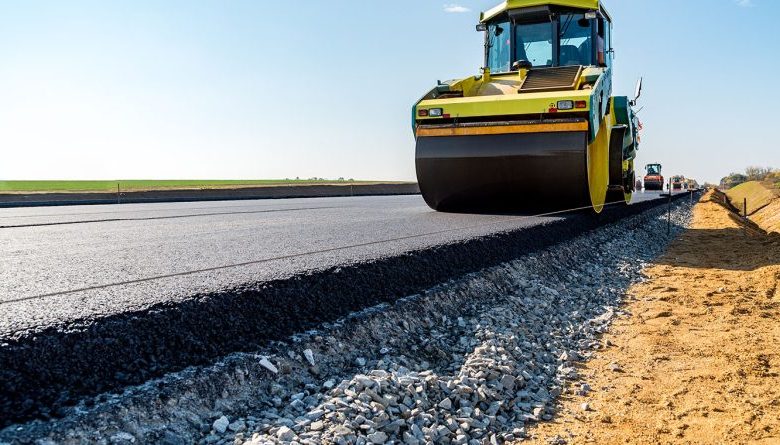
In a field where accuracy, effectiveness, and longevity are critical, asphalt paving equipment has revolutionized contemporary road building. The development of asphalt pavers has significantly altered the way roads are constructed, from residential streets to highways. This has increased surface quality, shortened construction times, and extended the lifetime of paved roads.
Advanced asphalt pavers are more important than ever as the need for safer, smoother, and longer-lasting roadways continues to increase. Let’s see how this strong equipment is improving road building.
Engineered With Precision For A Smoother Surface
One of contemporary asphalt pavers’ biggest benefits is their ability to lay asphalt with exceptional accuracy. Traditional road covering techniques, which are labor-intensive and human error-prone, sometimes result in uneven surfaces and the need for regular repairs.
Modern asphalt paving equipment is designed with automated controls and laser-guided systems to guarantee uniform distribution and seamless compaction. By regulating the asphalt mat’s thickness and slope, these devices lessen dips, bumps, and other irregularities that compromise ride quality and safety.
Roads with this high degree of precision are more resilient to weather and traffic wear and tear, making them more pleasant to travel on.
Enhanced Speed And Efficiency
Time is of the essence in every building project, particularly when it comes to roads that affect business transportation and daily commutes. Contractors and municipalities may lose millions of dollars due to delays. Without sacrificing quality, asphalt pavers have greatly expedited the pace of road building.
Modern equipment features larger hoppers, quicker conveyor belts, and sophisticated screeds, which enable workers to pave greater distances in less time. For high-quality paving, operators must be able to maintain constant temperatures and rates, which automation makes possible.
Newer versions also save labor expenses and equipment wear by reducing the number of passes needed. These enhancements help contractors and the communities they serve by reducing interruptions and expediting project turnaround times.
Developments In Asphalt Paving Equipment Technology
In order to make equipment more intelligent and competent, the asphalt paving industry has adopted cutting-edge technologies. Among the most recent advancements are:
- Telematics and diagnostics: Remote monitoring technologies may save downtime and improve maintenance scheduling by identifying problems early on.
- Temperature control systems: Modern pavers are fitted with sensors to monitor the asphalt’s temperature during placement, ensuring proper compaction and long-term durability.
- Eco-friendly engines: While reducing operating costs, fuel-efficient and lower-emission engines help achieve environmental objectives.
Crews are able to operate more efficiently, provide better outcomes, and reduce waste thanks to these improvements.
Flexibility In Various Projects
Large highway projects aren’t the only use for asphalt pavers nowadays. Compact variants are offered for small-scale tasks like parking lots, bike paths, driveways, and city streets. Because of their adaptability, contractors may work on a range of projects with the same degree of effectiveness and excellence.
Additionally, many models include features that can be customized, widths that can be adjusted, and screeds that can be swapped out, making them flexible enough to meet the needs of various projects. Because of its adaptability, asphalt paving equipment may be used for a variety of tasks, boosting its return on investment.
Increased Security For Drivers And Employees
Any construction site must prioritize safety, and asphalt pavers are helping to provide better working environments and end-user experiences. Modern machines include ergonomic controls, noise-reducing features, and improved operator vision to make everyday tasks safer and less taxing on the body.
Automation also lessens the need for physical work in hazardous locations, including behind or next to moving machinery. In addition to protecting employees, safer environments lower the possibility of expensive mishaps and project delays.
Assisting With Long-Term Infrastructure Objectives
Reliable asphalt paving solutions are crucial as governments increase their infrastructure spending to accommodate expanding populations and changing transportation demands. Modern pavers make road construction more economical and environmentally friendly by cutting down on maintenance expenses, prolonging pavement life, and shortening construction times.
Having the appropriate asphalt paving equipment aids in effectively achieving long-term objectives at a time when infrastructure performance is strongly correlated with economic growth and public satisfaction.
Conclusion
From simple road-laying equipment, asphalt pavers have developed into advanced instruments that propel the contemporary construction sector. Their influence on project schedules, pavement quality, worker safety, and environmental sustainability cannot be denied.
Road construction is becoming quicker, safer, and more efficient than ever before, thanks to contractors and communities adopting this equipment and their constantly evolving technologies. In every way, the future of road building becomes more promising as asphalt paving equipment keeps improving.