

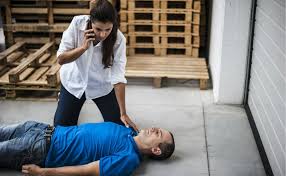
Rarely do emergencies have a warning. A medical emergency at home, an accident at work, or a sudden cardiac arrest may occur in a matter of seconds, leaving little time to respond. A CPR course goes beyond merely providing a certification at this point. It develops into a life skill that enables people to act swiftly and efficiently when every second matters. Learning CPR involves more than just learning the procedures; it also involves gaining the self-assurance and awareness necessary to take prompt action in emergency circumstances.
Developing Practical Skills To Boost Confidence
The confidence that CPR training fosters is one of its main advantages. During situations, a lot of individuals delay because they are afraid of making a mistake. This ambiguity is removed via structured training, which offers practical experience and precise instructions. Participants gain knowledge about how to properly do chest compressions, evaluate a situation, and check for responsiveness.
Repetition and comprehension are the sources of confidence. People start to trust their talents when they rehearse real-life events during training sessions. This self-assurance may be the difference between doing nothing but watching helplessly and acting quickly to perhaps save a life.
Beyond The Fundamentals Of Emergency Response
There is more to CPR training than simply rescue breaths and compressions. It teaches people how to interact with emergency personnel, maintain composure under duress, and control the victim’s surroundings. These extra abilities are crucial in real-world scenarios yet are often disregarded.
Programs like Cert IV, which combine teaching and leadership abilities with real emergency response, aid in deepening this knowledge for individuals seeking professional development. This produces people who can lead others during crises in addition to being competent responders.
Developing The Ability To Make Decisions Quickly
Hesitancy may be deadly in an emergency. By teaching participants how to swiftly assess a situation and decide what to do next, CPR training improves decision-making abilities. This includes identifying cardiac arrest symptoms, knowing when to start CPR, and being able to use an automated external defibrillator if one is available.
Training courses mimic high-stress situations to help students learn how to make choices under duress. This gradually lessens anxiety and replaces it with a methodical approach to problem-solving. One of the most important results of CPR training is the capacity to respond promptly and appropriately.
Improving Responsibility And Safety At Work
Safety and readiness are becoming more important in today’s workplaces. CPR-trained staff members make the workplace safer by being prepared to handle medical crises. This is particularly crucial in sectors where risk factors or physical activity are more prevalent.
By educating students to instruct others in safety procedures, courses like Cert IV Training and Assessment Tasmania fulfil this requirement. As a result, teams become more prepared overall as information spreads among them. Having trained personnel who can serve as first responders while awaiting expert medical assistance is beneficial to organisations.
Raising Awareness And Developing A Preventive Attitude
The awareness that CPR training raises is another crucial component. In order to prevent crises in the first place, participants learn how to recognise possible hazards and take preventive action. This proactive attitude permeates everyday life and goes beyond training sessions.
Whether at home, in public, or at work, people who have received CPR training often become more aware of their health and safety. They are more likely to see warning indicators in others and act quickly, preventing situations from becoming life-threatening crises.
Increasing Community Support Networks
Communities are stronger and more resilient when more people get CPR training. Before emergency services arrive, survival chances may be greatly increased by receiving prompt aid from a qualified individual. This establishes a network of competent people who can help one another in times of need.
More individuals are encouraged to learn CPR via accessible training options and community awareness campaigns. Public areas become safer for everyone as involvement rises and the group’s capacity to manage crises improves.
Getting Ready For Actual Circumstances
The goal of CPR instruction is to replicate real-life situations as much as possible. Participants take part in role-playing activities, practice on mannequins, and discover how to modify their abilities for various contexts. This pragmatic approach guarantees that information is actionable rather than just theoretical.
Because crises are unpredictable, flexibility is essential. Whether it is a toddler, an adult, or many victims, training teaches people how to modify their behaviour according to the circumstances. Effective emergency management requires this adaptability.
In Conclusion
There is more to CPR training than just a prerequisite or certification. It is an effective tool that equips people to confidently and competently handle life’s unforeseen crises. The advantages are many, ranging from strengthening communities and workplace safety to developing useful skills and making better decisions.
People may really make a difference when it counts most by devoting time to studying CPR. Being ready is more than simply a benefit in situations when every second matters. It is a duty that has the potential to save lives.