

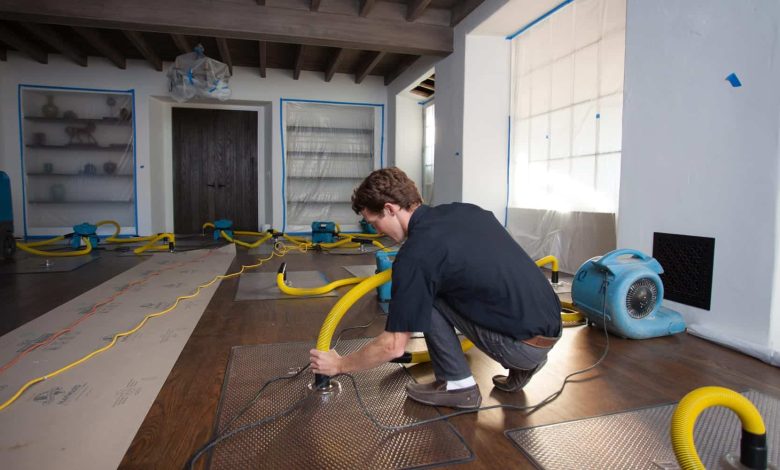
Water damage can strike unexpectedly, whether due to a burst pipe, heavy rainstorm, or appliance malfunction. Water damage must be addressed swiftly and carefully by homes to reduce structure damage, mold growth, and family health. Quick action saves time, money, and stress. Here are some essential tips to help you manage water damage cleanup effectively and safely.
1. Ensure Safety First
Before diving into cleanup, prioritize your safety. Water damage often involves standing water, which can be a risk for electrical hazards. Turn off affected outlets, appliances, and wiring at your home’s circuit breaker if water has touched them. Avoid walking through water until you are certain it is safe to do so.
Additionally, wear protective gear such as waterproof gloves, rubber boots, and a face mask. Water damage can introduce contaminants like sewage, bacteria, or chemicals, so protecting yourself is essential.
2. Stop The Water Source
If the water damage is ongoing, the first step is to stop the source of water. This could mean shutting off the main water valve, turning off a leaking appliance, or patching a broken pipe temporarily. Stopping the water flow will limit further damage and make cleanup easier.
3. Remove Standing Water Quickly
Standing water is the biggest contributor to further damage and mold growth. Quickly remove extra water with a wet/dry vacuum or pump. Hire professionals with industrial pumps and dryers or hire specialized equipment for substantial water damage.
Mopping and blotting with towels can be effective for smaller amounts of water. Remember, the faster you remove water, the better the chances of saving your flooring and walls.
4. Dry Out The Area Thoroughly
After removing standing water, drying out your home is critical. Fans, dehumidifiers, and open windows promote airflow. The goal is to eliminate moisture that remains in carpets, walls, and furniture.
Check for hidden pockets of moisture, such as behind walls, under cabinets, or inside drywall. If not adequately dried, water can infiltrate into these locations and cause structural damage or mold. Removing baseboards or drilling small holes to allow airflow can help in stubborn areas.
5. Disinfect And Clean Contaminated Surfaces
Water damage can leave behind bacteria, mold spores, and contaminants, especially if the water is from a sewage backup or flood. Clean all affected surfaces with appropriate disinfectants.
Use a solution of water and bleach (usually one cup bleach to one gallon of water) to sanitize hard surfaces. For porous materials like carpets or drywall, thorough cleaning is necessary, but sometimes replacement is the safest option.
Dispose of any items that cannot be properly cleaned, especially those soaked with contaminated water, such as mattresses, upholstered furniture, and insulation.
6. Inspect For Mold Growth
Mold can grow 24–48 hours after water exposure and is dangerous. Keep a close eye on any signs of mold, including musty odors, discoloration, or fuzzy patches on walls, ceilings, and floors.
If you spot mold, wear protective gear and clean small patches with commercial mold removers or a vinegar solution. For larger infestations, it’s best to hire mold remediation specialists to ensure complete and safe removal.
7. Protect Your Property During Cleanup
During cleanup, protect areas of your home that are not affected by the water damage. Seal off rooms using plastic sheeting to prevent dust and spores from spreading throughout your home.
Cover floors in unaffected areas with tarps or plastic to avoid tracking water and contaminants. This containment reduces cross-contamination and helps keep your home safer during the process.
8. Document The Damage For Insurance
As you clean, take photos and detailed notes of the damage and affected items. This documentation is vital for insurance claims. Keep receipts of any cleanup supplies or professional services you hire.
To start the claims process and understand water damage cleaning and repair coverage, notify your insurance company immediately.
9. Know When To Call Professionals
While some water damage can be managed with DIY efforts, certain situations require expert assistance. If water has saturated your home extensively, or if the damage involves contaminated water (black water), calling a professional water damage cleanup service is wise.
Professionals have specialized equipment like moisture meters, air movers, and industrial dehumidifiers, as well as experience in safely handling contaminated water and mold remediation. Hiring experts ensures thorough cleanup and reduces the risk of future problems.
10. Take Preventive Measures For The Future
Once your home is restored, consider steps to prevent future water damage. Check plumbing and appliances for leaks regularly. Clear gutters and downspouts for drainage. Install water leak detectors and shut-off valves that automatically stop water flow during emergencies.
Maintaining your home and addressing small issues early can save you from major water damage and costly cleanup in the future.
Conclusion
Water damage cleanup requires quick action and careful attention to safety. By following these tips, homeowners can effectively reduce damage, protect their health, and restore their homes safely. Remember, safety comes first, so consult professionals for a complete and safe cleanup. Acting promptly not only preserves your property but also provides peace of mind during a challenging situation.